Rhythm
Rhythm admin Thu, 03/23/2017 - 18:13Rhythm describes the pulse and tempo of a piece of music, as well as the duration of each individual note. It is perhaps the most primal component of music, in that the earliest music was almost purely drum-based. To play music by ear, you must be able to recognize the rhythmic elements that you ear in the melody and and harmony.
Rhythm Patterns
Rhythm Patterns admin Thu, 03/23/2017 - 18:16(Note: This page uses American music terms. You may also view the page with European terms.)
In order to read, identify and transcribe rhythms, you need to become familiar with rhythm notation and rhythm patterns. This mainly involves indicating when a note happens and how long it lasts, and recognizing when you hear a common rhythm. Rhythm occurs within the framework of meter, which is simply a repetitive pattern of strong and weak beats. Here are some common examples of meter:
| Two-beat meter: | STRONG - weak |
| Three-beat meter: | STRONG - weak - weak |
| Four-beat meter: | STRONG - weak - weak - weak |
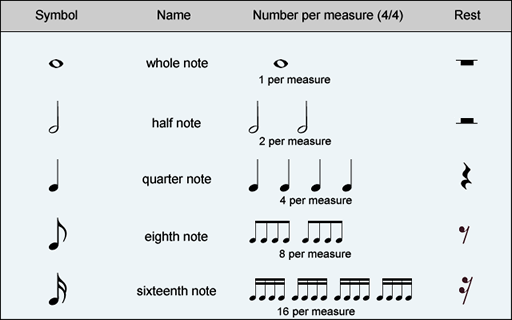
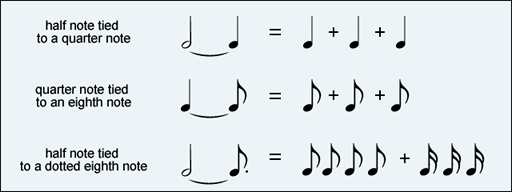
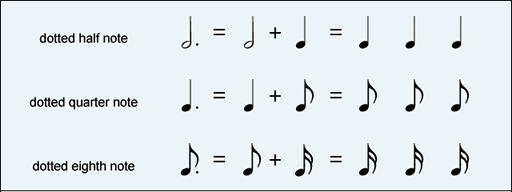
Rhythm Puzzles will strengthen your recognition of rhythm notation, and will train your ear to match the rhythms you hear with their associated notation. It will also help you to become familiar with the common rhythm patterns that combine to make longer rhythms.